


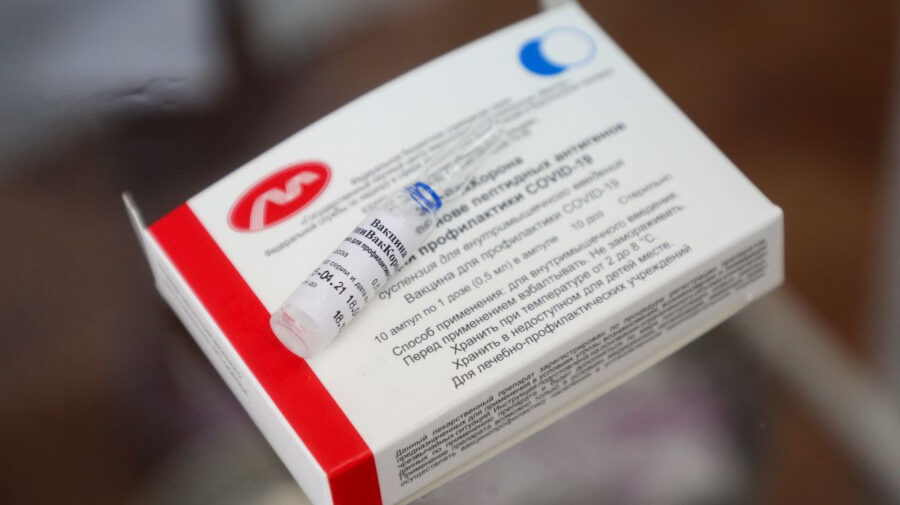
Russia’s growing reliance on another homegrown Covid-19 vaccine — EpiVacCorona, which was approved in October 2020, before the completion of Phase 3 trials — has energized anti-vaccine sentiment amid a new surge in cases. Local media reported this past weekend that some Russians had been given the vaccine, one of four domestic ones approved in the country, instead of the promised Sputnik V. Some are threatening to sue the government because of the alleged switch.
A steady drip of reports over the past few months that cast doubt on the effectiveness and duration of immunity provided by EpiVac has fueled legitimate concerns about the vaccine in addition to emboldening anti-vaccine advocates. The fact that Russia’s consumer health watchdog, Rospotrebnadzor, had earlier reported Phase 1 and 2 trials that showed the vaccine was “100% effective” has fueled more confusion and skepticism.
Other mixed messaging from Russian officials and vaccine makers appears to be contributing to information disorder. At first, officials said there is no need to “update” Russia’s existing vaccines despite the more transmissible Delta variant, which is dominant among those hospitalized in the country’s latest wave. Although vaccine uptake remains low in Russia, the fact that a sizable number of new cases are among those who have been vaccinated has renewed longstanding concerns about local vaccines. Officials say that the Delta variant is behind the rising number of infections among the vaccinated or those who had Covid-19 before.
The stated duration of immunity provided by Sputnik V has also been lowered by Gamaleya Institute, the vaccine’s maker, from at least two years to six months. This reflects the data deficits around Russian vaccines, fueling frustration at the inconsistent messaging, broader anti-vaccine sentiment and calls to permit the use of vaccines developed and produced elsewhere. — Yevgeny Kuklychev